We Can't Wait 6 Weeks: Rehab Early Postpartum Series
Lead Instructor: Kelsey Mathias, OTR/L, PRPC
Founder, Perinatal Performance Method
Audience: OTs, OTAs, PTs, PTAs
Next training on September 29th, 2026: Evaluating and Treating Intimacy Early Postpartum
Distinguish your practice in every postpartum setting, including the hospital, and collaborate with other members of the maternal care team.
We share your vision to improve birth recovery earlier
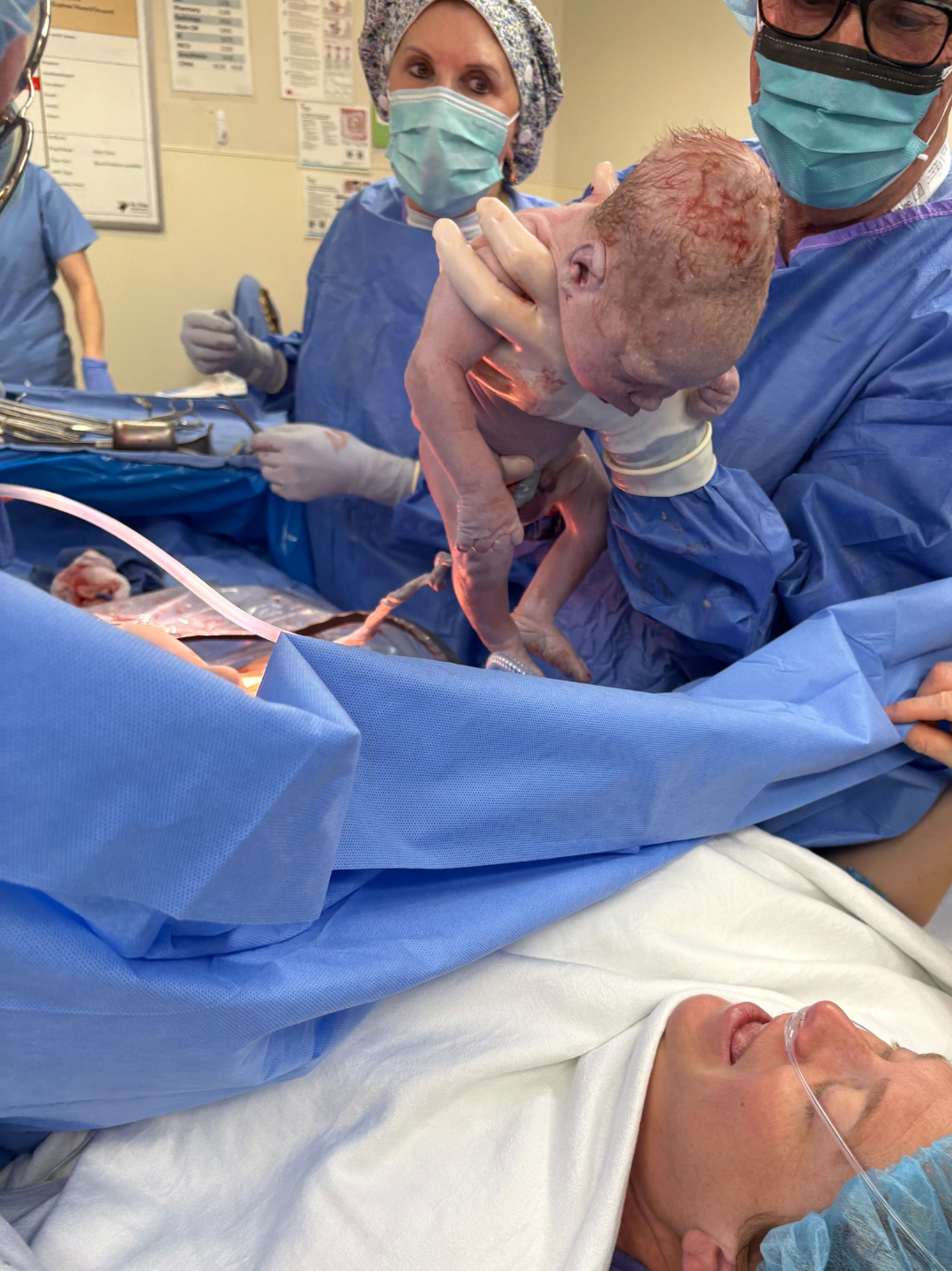
The early postpartum period is a critical window for rehabilitation intervention. Yet many occupational and physical therapists lack a clear clinical framework for evaluation and treatment during the first six weeks postpartum. As a result, care is often delayed, not due to lack of need, but due to uncertainty around assessment, safety, and appropriate intervention.
This education series provides a structured, week-by-week clinical roadmap for occupational and physical therapists working with postpartum clients during the first six weeks after birth. The training is developed using principles from the Perinatal Performance Method, a methodology that emphasizes early, function-focused, and participation-driven care during the perinatal period. Content applies across acute care, home health, outpatient, and telehealth settings.
Training 1 – We Can't Wait 6 Weeks: Rehab Early Postpartum
In the first training, participants will learn how to complete comprehensive early postpartum evaluations, including vital sign monitoring, head-to-toe physical assessment, activity tolerance, and functional performance of activities of daily living (ADLs) and instrumental activities of daily living (IADLs).
The training emphasizes collaborative, client-centered goal setting based on priorities for caregiving, return to activity, and daily function. Participants will also learn how to safely reintroduce foundational movement, integrate partners and caregivers into care planning, and provide anticipatory guidance related to childcare demands, intimacy, and graded return to activity.
All content is grounded in current rehabilitation scope of practice and emphasizes clinical reasoning, patient safety, and functional outcomes during the early postpartum period.
Training 1 Objectives
-
Analyze early postpartum clinical findings, including vital signs, head-to-toe physical assessment, activity tolerance, and ADL/IADL performance, to inform safe intervention planning
-
Apply a structured, week-by-week clinical framework to differentiate assessment priorities and intervention strategies across Weeks 0–6 postpartum
-
Design client-centered treatment plans that support participation in ADLs, caregiving tasks, and daily life demands during early postpartum recovery
Enhanced Recovery and Wellness, LLC is an AOTA Approved Provider of professional development for the first training in the series, We Can't Wait 6 Weeks: Rehab Early Postpartum. Activity approval ID# 15226. The 1.5 contact hour live, blended/hybrid, distance learning-interactive, and distance learning-independent activity is offered at 0.15 CEUs, intermediate level, OT Service Delivery. The assignment of AOTA CEUs does not imply endorsement of specific course content, products, or clinical procedures by AOTA.
Become the Go-To Expert Who Intervenes Earlier
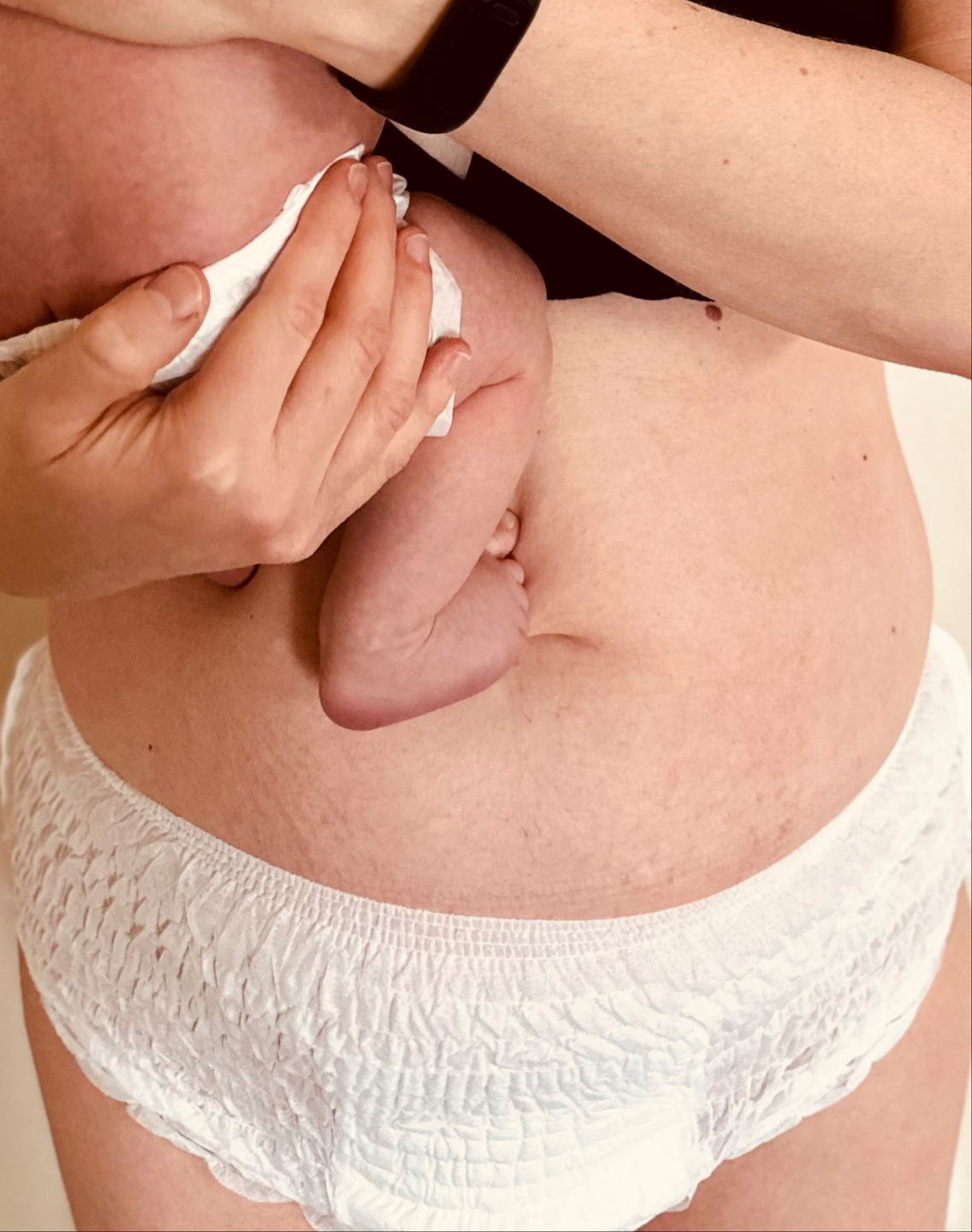
Training 2 – We Can't Wait 6 Weeks: Early Rehab After 3rd & 4th Degree Tears
Third and fourth degree perineal tears, also known as obstetric anal sphincter injuries (OASIS), and levator ani injuries are among the most significant obstetric traumas affecting postpartum recovery. These injuries can substantially impair bowel and bladder function, pelvic floor muscle integrity, pain, mobility, and participation in daily activities during the early postpartum period. Despite their functional impact, rehabilitation is frequently delayed until the traditional six-week medical clearance, leaving a critical gap in early management. This course examines the clinical rationale for initiating rehabilitation within the first six weeks and outlines evidence-informed assessment and intervention strategies appropriate for acute and early postpartum care.
Participants will analyze tissue healing timelines, bowel protection principles, red flag screening, and early mobility considerations specific to severe perineal trauma and levator ani disruption. Instruction will emphasize functional assessment, symptom-guided progression, and interdisciplinary communication. The course also explores how to adapt early rehabilitation principles across acute care, home health, outpatient, and telehealth settings to support safe recovery and restore participation in meaningful activities while reducing risk of long-term dysfunction.
Training 2 Objectives
- Analyze early postpartum clinical presentations following 3rd and 4th degree perineal tears and levator ani injuries to differentiate normal healing processes from red flags requiring medical referral.
- Evaluate and select appropriate assessment and intervention strategies for acute management of severe perineal tears and levator ani injuries, integrating bowel protection principles, tissue healing timelines, pelvic floor muscle considerations, and functional mobility.
- Synthesize early rehabilitation principles across acute care, home health, outpatient, and telehealth settings to develop setting-specific plans that promote safe functional recovery and occupational performance following complex obstetric trauma.
Learn to Address Intimacy Early On
Training 3 – We Can't Wait 6 Weeks: Evaluating and Treating Intimacy Early Postpartum
In this training, participants will learn how to evaluate and treat intimacy as a core component of postpartum care, starting in the first couple of weeks after birth. Intimacy is one of the most overlooked areas of postpartum assessment, and when it is addressed at all, it is often limited to brief counseling on birth control, leaving a significant gap in whole person care.
Participants will learn how to assess what intimacy means to each client, including their ideal vision of connection with a partner, and how to identify the physical, emotional, relational, and spiritual factors that may be impacting intimacy in the early postpartum period. The training then translates these findings into recommended interventions matched to each stage of early recovery, so clients can work toward their stated intimacy and connection goals safely and on their own timeline.
All content is grounded in current rehabilitation scope of practice and emphasizes client-centered communication, clinical reasoning, and functional outcomes related to intimacy and connection during the early postpartum period.
Training 3 Objectives
- Analyze findings from an intimacy-focused evaluation, including the client's personal definition of intimacy and the physical, emotional, relational, and spiritual factors influencing it in the early postpartum period, to inform safe and individualized intervention planning
- Apply a stage-based framework for recommending interventions across the first few weeks postpartum, including alternative ways for partners to reconnect within each client's current capacity for physical and emotional connection
- Design client-centered treatment plans that support each client's stated intimacy and connection goals within realistic timelines for postpartum healing and recovery
Why The 'Rehab Early' Series Matters for Clinical Leaders
These trainings were designed for clinicians who are responsible not only for patient care, but also for shaping how soon postpartum rehabilitation is delivered within their organizations. Participants gain a practical framework they can use to standardize early postpartum OT and PT services, reduce variation in care, and support safer, more consistent clinical decision-making during the first six weeks after birth.
Clinical leaders will leave with tools to justify early intervention, align rehabilitation services with medical teams, and guide staff in delivering occupation- and function-based care across hospital, home, outpatient, and virtual settings. The week-by-week roadmap supports program development, onboarding, and mentorship of newer clinicians while reinforcing best practices in patient safety, documentation, and interdisciplinary collaboration.
This training supports leaders who are working to expand access to early postpartum rehabilitation, improve continuity of care, and position OT and PT as essential contributors to recovery during a critical transition period.
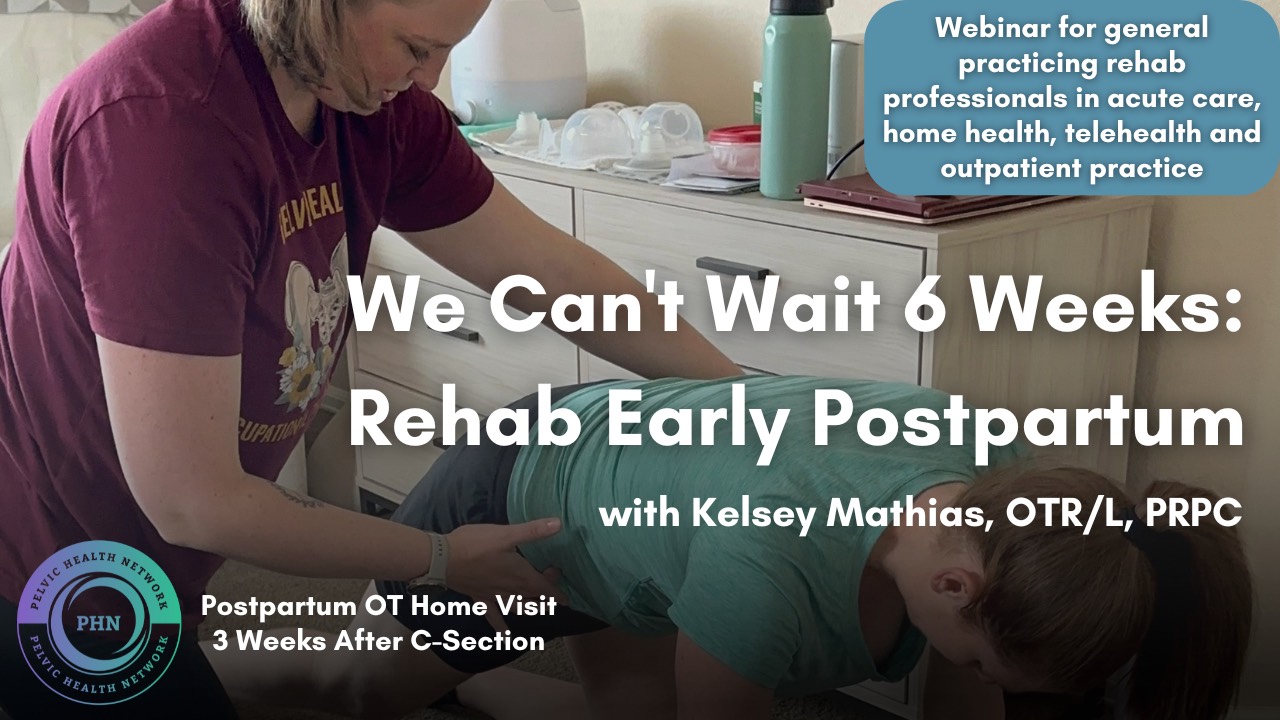
Training 1 – We Can't Wait 6 Weeks: Rehab Early Postpartum
This training is part of the Pelvic Health Network membership, an organization funding early rehabilitation initiatives to support recovery after the most common procedures performed on women including medical birth interventions, mastectomy, and pelvic surgery.
Self-Paced Training: $75
Free with Pelvic Health Network Membership
Training 2 – We Can't Wait 6 Weeks: Early Rehab After 3rd & 4th Degree Tears
This training is part of the Pelvic Health Network membership, an organization funding early rehabilitation initiatives to support recovery after the most common procedures performed on women including medical birth interventions, mastectomy, and pelvic surgery.
Self-Paced Training: $75
Free with Pelvic Health Network Membership
Training 3 –We Can't Wait 6 Weeks: Evaluating and Treating Intimacy Early Postpartum
This training is part of the Pelvic Health Network membership, an organization funding early rehabilitation initiatives to support recovery after the most common procedures performed on women including medical birth interventions, mastectomy, and pelvic surgery.
Self-Paced Training: $75
Free with Pelvic Health Network Membership
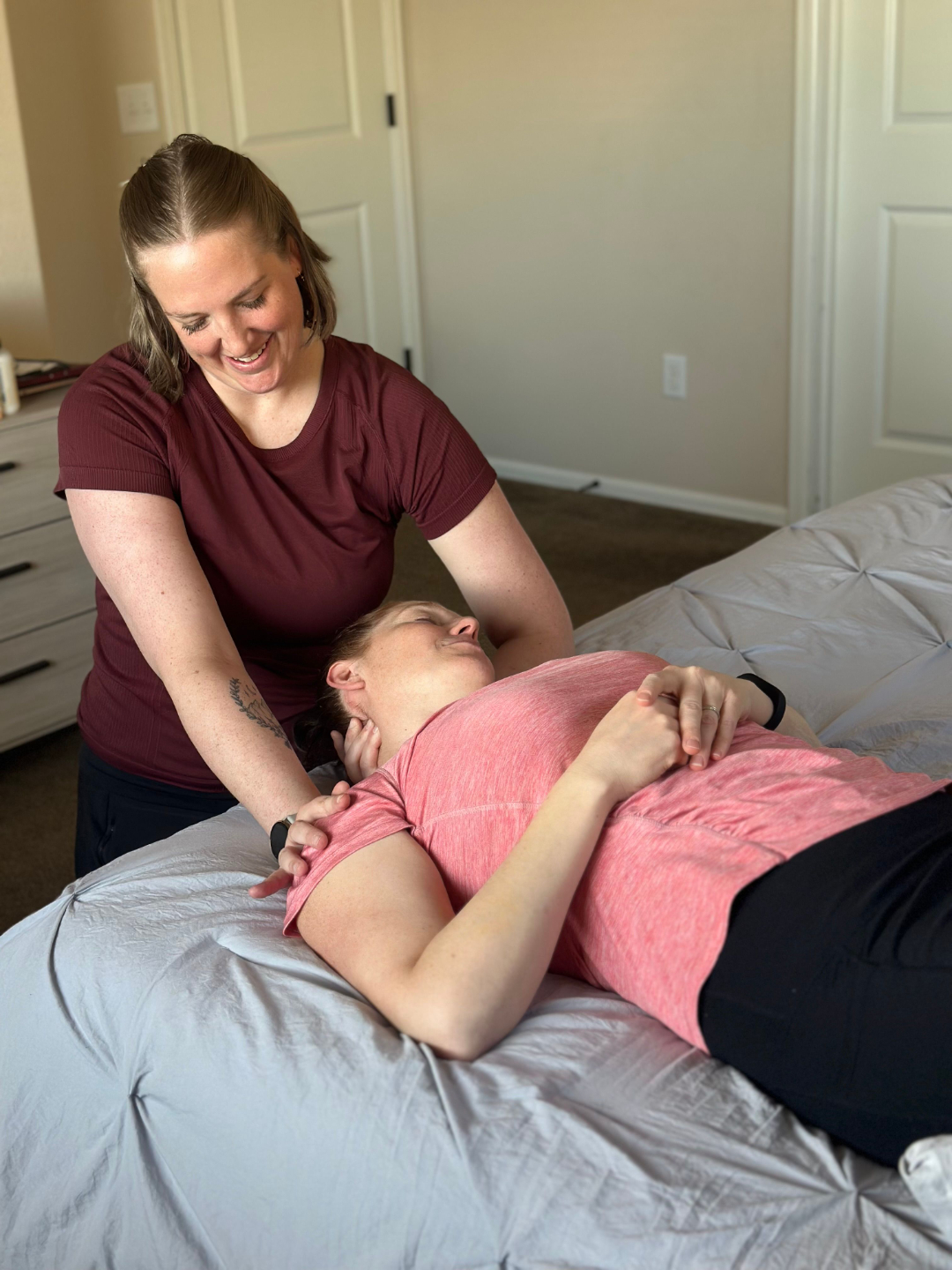
Meet Kelsey Mathias, OTR/L, PRPC

Meet Dr. Addy Javes, PT, DPT
Addy Javes, PT, DPT is a graduate of the University of Wisconsin–Madison Doctor of Physical Therapy program and has over eight years of experience in acute care. She currently serves as the lead emergency department and obstetric physical therapist at her hospital, where she helped implement both emergency department and obstetric physical therapy programs.
Addy is passionate about providing care to patients who are often overlooked or mismanaged in traditional care pathways, particularly those with vestibular conditions and patients recovering from childbirth. She believes that early and easy access to physical therapy can reduce healthcare utilization while improving both physical and mental health outcomes.
Her clinical work focuses on helping patients manage acute pain, restore functional mobility, and return to daily activities that allow them to care for themselves and their families. Addy emphasizes patient education, nervous system regulation, and practical strategies that reduce fear of movement while supporting safe recovery.
As a clinical instructor, she enjoys mentoring students and exposing them to less conventional areas of physical therapy practice, including emergency department and obstetric rehabilitation.
Addy believes strongly that when a patient is in pain, the best time to intervene is immediately. Early physical therapy can prevent problems from becoming chronic and provide patients with a clear recovery plan at a time when access to outpatient care may be delayed.